Key Takeaways
- Choose construction corporate gifts that crews will use daily, with durability and safety compliance as the main filters.
- Keep construction company gifting fair and personal by setting a baseline for everyone, then tailoring upgrades by role.
- Run field team gifts like an operational rollout with clean sizing data, multi-site delivery planning, and simple compliance documentation.
Field team gifts that get used every day share one trait: they respect the jobsite first and your brand second. People notice when a company chooses items that hold up in dust, rain, and long shifts, then delivers them on time to the right place. Employees who don’t feel adequately recognized are twice as likely to say they’ll quit within a year. That makes construction company gifting less about “swag” and more about retention, safety culture, and respect.
Our point of view is simple: the best gifts for construction teams are operational tools with a clear message of appreciation. Utility keeps the gift in rotation, and consistency keeps your program fair across crews, job sites, and roles. When you treat gifting like a small field deployment, you’ll avoid wasted spend, awkward items, and last-minute shipping chaos.
"Construction corporate gifts work best when they make the job safer and easier."
What construction corporate gifts need to achieve on-site
Construction corporate gifts need to deliver daily usefulness, a clear signal of respect, and minimal friction on the jobsite. A gift that sits in a truck console all season will do more for morale than an item that looks nice but fails after a week. Your aim is steady adoption, not novelty.
A superintendent who clips a high-output headlamp to a vest uses it during early pours, late punch walks, and power outages. That one item quietly says your company understands how the work happens. A flimsy desk accessory sends the opposite message, even if the logo looks great.
Gifts also need to feel fair. Crews compare notes across shifts and sites, and uneven quality can become the story instead of the appreciation. Set a baseline that everyone receives, then add role-based upgrades that are easy to explain, such as “field gear” versus “office travel kit.”
Match gifts to roles across office staff and field crews
Role matching is the fastest way to make field team gifts feel personal without turning your program into a custom build for every person. Office staff and field crews work in different conditions, so the same item will land differently. The right match reduces returns, unused items, and side conversations.
A project manager often values portable organization, such as a durable notebook cover, a quality pen, or a power bank that stays in a laptop bag. A laborer or foreman will get more value from insulated hydration, gloves that fit, or a lunch setup that survives being tossed into a gang box. A safety manager might prefer gear that reinforces standardization, like consistent high-visibility outerwear that meets site rules.
Start with three role clusters you can defend: jobsite leaders, skilled trades and general field crews, and office and support. Keep the “why” practical, not status-based, so it doesn’t feel like a perk ladder. If you need an executive tier for clients or senior leaders, keep it separate from the field program so crews don’t feel compared to a different audience.
Prioritize durability safety and jobsite-friendly design requirements
Durability and safety are not nice-to-haves for construction company gifting; they determine if the item is worn, carried, or tossed. Materials, closures, visibility, and glove-friendly controls matter more than sleek design. Gifts should fit your safety program, not compete with it.
Construction has a high exposure to severe outcomes, so “safe to use” has to be your default filter. Construction recorded 1,075 fatal work injuries in 2023. That doesn’t mean gifts should be grim, but it does mean anything you hand out should avoid creating new hazards, distractions, or noncompliance.
A practical example is a rechargeable flashlight with a sturdy clip and a simple on-off button that works with gloves. Compare that to a novelty multi-tool with sharp edges or a low-quality power accessory that overheats in a truck. Run “jobsite friendly” checks before ordering: water resistance, cleanability, temperature range, and any required ratings for PPE. Your safety lead should have veto power, because one well-intended item can create a site headache.
"Treat construction corporate gifts like field gear plus a clear thank you, and your teams will feel it."
Choose gift types that support daily work and comfort

The best gifts for construction teams reduce daily friction: staying hydrated, staying warm, finding tools, keeping phones charged, and eating a real lunch without leaks. Choose categories that map to the workday, then select one item per category that can take abuse. This approach also keeps your gifting consistent across sites.
|
Gift category and typical daily use |
What “good” looks like on a jobsite |
Common pitfall to screen out early |
|
Insulated drinkware for long shifts and heat days |
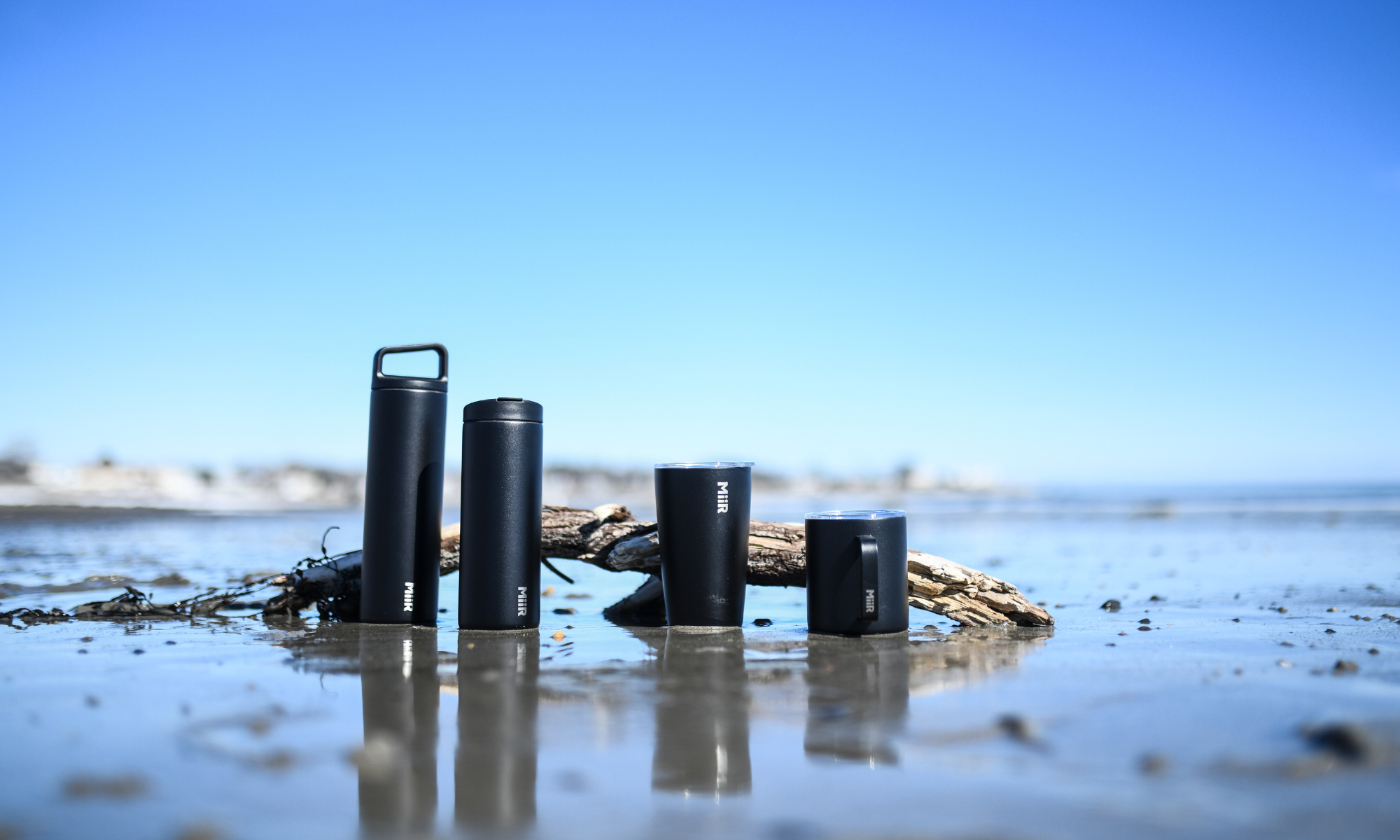
Leak-resistant lid, easy to clean, fits cup holders |
Paint that chips fast or lids that are hard to replace |
|
Lunch gear for trucks, trailers, and break areas |
Rugged zippers, wipeable lining, room for ice packs |
Soft bags that collapse and spill when tossed around |
|
Cold-weather layers for early starts and winter work |
High visibility options, durable stitching, easy sizing |
Fashion cuts that restrict movement or run too small |
|
Lighting for walkthroughs, outages, and tight areas |
Simple controls, strong clip, dependable battery system |
Complicated modes that frustrate users under pressure |
|
Power and cables for field coordination |
Rugged casing, reliable capacity, safe charging features |
Cheap cells that fail fast or get flagged by safety teams |
|
Comfort items that support recovery after long days |
High-quality socks or hand care suitable for rough work |
Heavily fragranced items that people won’t use on site |
Pick one “hero” item that you can reorder for new hires and replacements, then add an optional add-on for seasonality. A summer kit might pair an insulated bottle with electrolyte packets, while a winter kit might pair a durable beanie with high-visibility outerwear. Comfort matters because crews remember who helped them get through hard conditions.
Plan personalization that respects trade culture and compliance rules
Personalization works when it feels like recognition, not advertising, and when it stays inside safety and ethics rules. Names, crew identifiers, and subtle logos usually land better than oversized branding. Compliance matters too, because gifts can run into client rules, public sector limits, and jobsite PPE policies.
A hard hat sticker seems simple, but some sites restrict modifications that affect visibility of cracks or inspection marks. Embroidering a name on a high-visibility jacket can be great, but the garment still needs to meet any required standards and color rules. A safer personalization choice is a discreet name patch on a bag, or laser engraving on a metal flashlight body that doesn’t affect function.
Trade culture values practicality and authenticity. Skip inside jokes, slogans, or anything that reads like a safety lecture. Keep language respectful, and consider bilingual labeling when crews use multiple languages. If client gift rules apply, document what you’re sending, its approximate value, and who receives it so your program stays clean during audits.
Set budgets timing and fulfillment for multi-site construction teams

Budgeting and fulfillment determine if your gifting program feels professional or chaotic. Set a clear per-person target, plan for replacements and new hires, and build a shipping model that works for multiple job sites. Timing should match project rhythms, not calendar holidays alone.
A common scenario is a general contractor with three active sites and rotating subcontractor crews. Shipping everything to headquarters creates delays, lost boxes, and resentment when one site gets theirs first. Ship to site offices with a named receiver and a delivery window that avoids peak concrete days, then keep a small reserve for late starts and mid-project additions. Swag Republic can support this kind of kitting and multi-address fulfillment when you need one standard package to land cleanly across locations without your team chasing tracking numbers.
- Set one baseline gift budget that every crew member receives
- Collect sizes and preferred names early using one consistent form
- Confirm site shipping rules and a specific on-site receiver
- Order extra units to cover new hires and damaged items
- Schedule delivery around job milestones and safety stand-downs
Keep your approvals tight. Procurement, safety, and operations should sign off once per kit, then reuse it for the full season. That consistency reduces last-minute substitutions that look cheaper and create uneven experiences across crews.
Avoid common gifting mistakes that waste budget or offend teams
Most gifting failures come from treating construction teams like an office audience or from chasing the lowest unit cost. Cheap items break, overly branded items feel disposable, and inconsistent tiers trigger fairness issues. A disciplined program protects your budget and your relationships at the same time.
One frequent mistake is sending items that can’t be used on site. Glass drinkware, flimsy backpacks, and novelty tools often end up in a closet or get thrown away during trailer cleanouts. Another is ignoring safety review, then discovering your gift conflicts with PPE rules or client requirements after it arrives. Late delivery is its own kind of insult when crews were told to expect recognition at a specific moment.
Gifting works when you respect the work and execute cleanly. Treat construction corporate gifts like field gear plus a clear thank you, and your teams will feel it. Swag Republic fits best when you want that execution to feel measured and polished, with fewer handoffs and fewer loose ends. The credit still goes to you, because the gift shows up where the work happens and holds up once it’s there.