Key Takeaways
- Promotional products build awareness best when the item fits a daily habit and stays visible without asking for attention.
- Brand recall comes from repeated low effort exposure, which makes product choice, clean design, and timing more important than raw order volume.
- Strong programs track continued use and recipient response, because units shipped do not measure lasting brand visibility.
Branded merchandise boosts brand awareness when people keep it, use it, and see it often.
Physical items stay present after a campaign ends, which gives your brand more chances to be noticed and remembered. Repeated exposure matters because a review of more than 200 experiments found a consistent mere exposure effect with an average effect size of .26. That pattern explains why a mug on a desk or a tote in a car can do more for recall than a one-time glance at a digital ad. Familiarity grows when the item keeps showing up in ordinary moments.
Good merchandise works through routine fit, clean branding, careful timing, and dependable quality. Cheap swag passed out without a clear use case fades fast because it creates a brief impression and then disappears. Useful products hold attention without asking for it, which makes them one of the most effective tools for brand visibility. You will get stronger results when you treat swag as a visibility system instead of a giveaway pile.
Brand awareness grows when merchandise stays visible in daily routines
"Brand awareness grows when a product becomes part of someone’s routine."
Every reuse creates another brand impression without asking for extra attention, and that steady repetition builds familiarity. Familiar brands feel easier to remember when a need appears. Practical items keep doing that work long after an event ends.
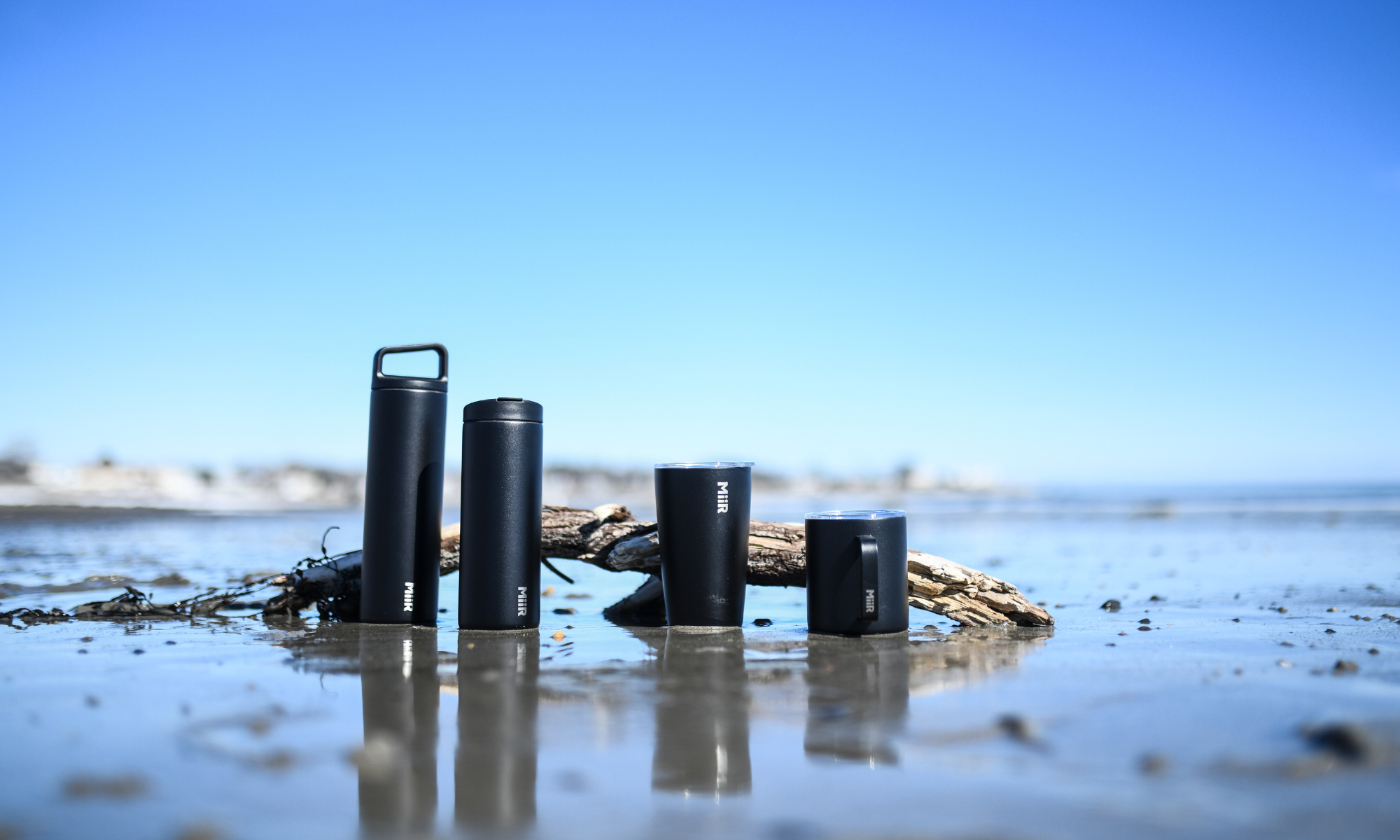
A coffee mug on a desk gets seen during every refill, every call, and every meeting. A tote bag carried from a parking garage to an office lobby turns one recipient into a moving display. A notebook used during weekly team meetings keeps the brand in view even when nobody is thinking about marketing. Those impressions feel natural because the product already has a place in the day.
Routine visibility matters more than novelty because awareness is built through repetition people accept. A quirky item can win a laugh and still vanish into a drawer that same afternoon. Useful merchandise stays close, which gives your logo more chances to register without becoming intrusive. That is why the best brand recognition strategies start with habit, then move to design and distribution.
Brand recall improves through repeated low-effort brand exposure
Brand recall improves when exposure feels effortless. People remember marks, names, and colors faster when they meet them again and again in low-pressure settings. Merchandise supports that pattern because it sits nearby without interrupting work or leisure. Memory strengthens through calm repetition more than dramatic one-time contact.
A pen at a reception desk offers a simple example. Staff pick it up dozens of times a day, and visitors see it during sign-ins, notes, and quick handoffs. A travel pouch used for cables does the same thing for road teams, because it appears during packing, airport waits, and hotel check-ins. Each sighting is brief, but the total effect adds up.
Low effort exposure works because your audience does not need to stop and decode the message. The brand becomes familiar before anyone is asked to click, call, or reply. Later, when your company name appears in an email, proposal, or referral, the brain treats it as known rather than new. That is how promotional products improve brand recall without relying on constant fresh creative.
Product choice should match audience habits before budget size

The best products for brand visibility fit the way your audience already lives and works. Price matters, but daily usefulness matters more because it controls how often the item gets seen. Merchandise that aligns with routine will produce more impressions than a pricier item with no clear role. Habit fit should guide your shortlist first.
Desk audiences respond well to drinkware, notebooks, and organizers because those items stay within reach for long stretches. Employed people spent about 8 hours working on days they worked in 2023. That makes office and home office products a strong choice when your goal is steady brand exposure. Travel-heavy teams will get more use from luggage accessories, chargers, or bags that move across locations.
|
When this situation applies |
What item type usually fits best |
What awareness outcome you can expect |
|
Daily desk work keeps personal items in view for hours. |
Drinkware or notebooks stay close without needing special setup. |
Repeated exposure builds familiarity through quiet visibility. |
|
Hybrid schedules move people between home, office, and transit. |
Totes and travel pouches shift with the recipient across settings. |
Your brand reaches more places than the original handoff. |
|
Event audiences need something useful after the venue clears. |
Practical carry items outlast novelty giveaways with short shelf life. |
Post-event impressions continue after booth traffic ends. |
|
Executive outreach calls for restraint and visible quality. |
Refined desk accessories support regular use and careful presentation. |
Awareness rises without lowering brand perception. |
|
New hire programs shape first impressions across several weeks. |
Coordinated kits create repeated contact across multiple daily tasks. |
Recognition forms faster because the cues stay consistent. |
Budget still matters, yet cost per item will mislead you if the product gets ignored. A modest mug used 5 days a week will outshine a premium gadget that sits boxed in a closet. Good product choice starts with audience behavior, then uses budget to refine materials, decoration, and packaging. That sequence will help you drive impressions with promotional products that stay active.
Simple branding cues make promotional products easier to remember

Branded merchandise increases brand awareness when the brand is easy to see and easy to process. Clear placement, readable type, and restrained use of color help people recognize the item quickly. Recall drops when design gets crowded or overly decorative. Simple cues support memory because the brain can store them with less effort.
A water bottle wrapped in dense artwork can look impressive on a proof and still fail in everyday use because the name gets lost in the design. A notebook with a clean mark near the top corner is easier to spot across a conference table. A tote with one strong color and one readable line will register faster than a full panel of competing messages. Visibility depends on clarity more than ornament.
You do not need to strip personality out of the product. You do need to protect legibility, contrast, and scale so the main cue lands in a second or two. People rarely study swag the way designers study a mockup. They glance, carry, sip, write, and move on, so the brand has to read immediately.
Distribution timing shapes impressions more than order volume alone
Timing affects awareness because context decides how the item enters someone’s routine. Merchandise handed out at the right moment gets used sooner and remembered longer. The same product given at the wrong time feels random and is easier to forget. Distribution should match a clear use case, not just inventory availability.
An onboarding kit works best when it arrives before day one, so the notebook, bottle, and badge holder become part of a new employee’s first week. Event swag often performs better when handed out near the end of a session, once attendees know what they want to keep. Client gifts tied to renewals, milestones, or thank-you moments also land with more meaning because the context gives the product a reason to stay.
Execution matters here as much as product choice. Teams often need recipient lists cleaned, addresses checked, and shipments staggered to line up with meetings or launch dates. Swag Republic is one example of a partner that handles those steps so the item arrives when attention is highest and confusion is lowest. Better timing will beat bigger volume when your goal is brand recognition instead of raw handout counts.
Premium quality protects brand perception after the giveaway
Quality shapes awareness because the object becomes a stand-in for your brand. People judge care, reliability, and taste through the item they hold and use. A weak product creates a weak impression even if the logo is visible. Strong materials protect visibility and the feeling attached to it.
A tote that rips on the first commute turns the brand into a reminder of failure. A charger that stops working after one trip creates the same problem, and the logo stays attached to that frustration. Compare that with a ceramic mug that keeps heat well or a notebook that opens flat and lasts for months. Those details turn repeated exposure into positive association.
"Quality does not require extravagance, but it does require reliability, finish, and sensible material choices."
You want the item to feel intentional from first touch through long-term use. That is how branded merchandise stays effective for marketing after the excitement of the handoff is gone. Visibility helps awareness, yet product experience decides what kind of awareness you earn.
Common swag mistakes waste impressions while weakening recall
Most swag underperforms for simple reasons. The product has no daily use, the branding is hard to read, or the item feels too cheap to keep. Those mistakes reduce impressions and can also make the brand seem careless. Awareness suffers when the object creates friction instead of utility.
Several patterns show up again and again when teams treat promotional products as leftover event inventory instead of a planned visibility tool. Each one cuts into recall for a different reason, and each one is avoidable with basic discipline before the order goes live.
- Oversized logos make people less likely to carry the item in public.
- Cheap materials shorten the life of the product and the impression.
- Busy layouts hide the name people need to remember.
- Random item selection breaks the link between product and routine.
- Untimed handouts create clutter instead of meaningful exposure.
Awareness campaigns often fail in the quiet details. Packaging can feel sloppy, recipient names can be wrong, or color contrast can disappear once the product is printed. Careful review will save you from paying for impressions that never happen. Swag works best when every visible choice supports use, memory, and brand fit.
Awareness results need tracking beyond units handed out
Units handed out will not tell you if branded merchandise actually built awareness. Better measures look at continued use, repeat visibility, direct feedback, and brand recall after the handoff. Merchandise succeeds when it stays active in people’s routines and keeps the brand easy to recognize. Tracking should focus on that staying power.
You can ask event recipients which item they still use after 30 days, compare direct traffic from a targeted send, or review follow-up conversations for unprompted mentions of the gift. Sales and marketing teams can also note when prospects refer to the item during later meetings, because that signals the brand stayed present after the first touch. A mug seen on video calls or a tote brought back to the office tells you more than a shipment report ever will. Those signals connect distribution to actual recall.
Good branded merchandise is rarely flashy. It earns awareness through repetition, fit, timing, and product quality that holds up under ordinary use. Swag Republic fits that view when execution needs to stay polished from curation through fulfillment, but the same rule applies to any program: the item must keep working after delivery. Brands become more memorable when the merchandise feels useful enough to stay in someone’s life.