Key Takeaways
- Branded merchandise matters most when it extends an existing relationship and stays useful in daily routines.
- Relevance, quality, and audience fit shape brand awareness and loyalty more than distribution volume.
- Promotional merchandise ROI becomes clear when each item supports a defined business goal tied to retention, referrals, or pipeline progress.
Branded merchandise supports business growth when it stays useful, relevant, and tied to a clear goal.
Attention is crowded, and rented media disappears the moment a campaign ends. The average internet user spent 6 hours and 40 minutes online each day in 2024, which means your message fights for space for much of the day. A well-chosen physical item gives your brand a place in daily routines instead of another brief appearance on a screen. That staying power explains why companies keep investing in branded merchandise benefits that last longer than a single campaign.
Branded merchandise keeps your brand present after first contact
Branded merchandise matters because it stays visible after the first interaction ends. A useful item extends the moment when someone met your team, opened your package, or attended your event. That repeated visibility supports brand awareness without another media buy. It keeps your name close when a need finally appears.
A sales prospect who tosses a flyer will still keep a sturdy notebook on a desk for months. The logo on that cover appears during calls, planning sessions, and quick reminders between meetings. Each glance is brief, yet the effect adds up over time. Your brand stays familiar without asking for fresh attention each time.
This is why branded merch for business growth works best after a meaningful touchpoint. Merchandise will not rescue a weak offer or poor timing. It will extend a good interaction and make it easier to remember. That makes it a support channel with unusual staying power.
Useful branded items create recall that paid media cannot

Usefulness gives branded merchandise benefits that advertising alone rarely creates. A helpful item earns space in a bag, on a desk, or near a daily task. That physical presence creates a stronger memory than a passing impression. People remember brands that solve small problems well.
A bottle that fits a commuter bag or a charger that stays in a travel case keeps returning to hand. That repeated contact makes the brand feel familiar because it is attached to convenience. You are no longer asking for attention from a distance. You are showing up in a moment when the item actually helps.
Behavioral research helps explain that effect. In a classic mug experiment, people who owned the mug asked a median price of $7.12 to give it up, while buyers without the mug offered $2.87. Ownership changes value.
“When your merchandise becomes part of someone’s workday, your brand inherits a little of that added importance.”
Repeated use turns exposure into familiar brand memory
Repeated use matters because memory favors what people see often in a stable setting. One strong impression helps, but steady exposure does more for recall. A branded item turns repetition into routine. Routine is what builds familiarity that feels natural rather than forced.
A mug used every morning does more than display a logo. It appears during email, meetings, and quiet work, which links your brand to ordinary moments of focus. That rhythm is hard to match with a single ad placement. The item works like a gentle reminder that never has to ask for a click.
Design plays a large part here. A clear mark, simple color use, and readable placement will age better than a crowded graphic. Most people will not study the item closely. They will register it in passing, and that is exactly why clean branding wins.
Merchandise gives customers a reason to stay connected
Promotional products support loyalty when they reinforce a relationship that already has value. A thoughtful item signals attention, effort, and continuity. That signal matters after onboarding, after a renewal, or after a major milestone. It gives the relationship a physical marker people can keep.
A new client welcome kit works because it arrives at a moment when expectations are still forming. A premium notebook, a quality pen, or a desk organizer tells the recipient that the partnership is organized and deliberate. That impression carries into early meetings and first deliverables. Customer retention marketing often succeeds through these small but repeated cues.
Timing matters more than surprise alone. A random giveaway feels forgettable if it has no tie to the relationship. A useful gift sent after a successful launch or near a renewal period feels earned and specific. That is when promotional merchandise increases customer loyalty in a credible way.
Start with audiences closest to revenue impact

The best place to start is with people who are already near purchase, renewal, referral, or service influence. That focus keeps spending disciplined. It also makes measurement easier because the relationship already has a business context. Broad distribution sounds efficient, but targeted distribution produces clearer returns.
Teams working with Swag Republic usually map merchandise to relationship stages before they pick a product. That approach keeps the item tied to a moment that matters, such as onboarding, renewal, or executive outreach. It also prevents overordering and weak targeting. You will get better results when the audience choice comes first.
-
Renewal clients who are close to signing again
-
New accounts in the first 90 days
-
Referral partners who shape shortlist access
-
Employees who influence daily service quality
-
Event prospects already in active talks
Each group has a direct link to retention, reputation, or pipeline quality. That is where promotional products benefits show up fastest. You are putting merchandise where it can support an existing motion. That makes the spend easier to defend and easier to improve.
The best results come from relevance not volume
Merchandise performs best when the item fits the recipient’s role, setting, and standards. Volume alone does not create value. A smaller run of well-matched items will outperform a large batch of forgettable giveaways. Relevance is what turns a branded object into a useful one.
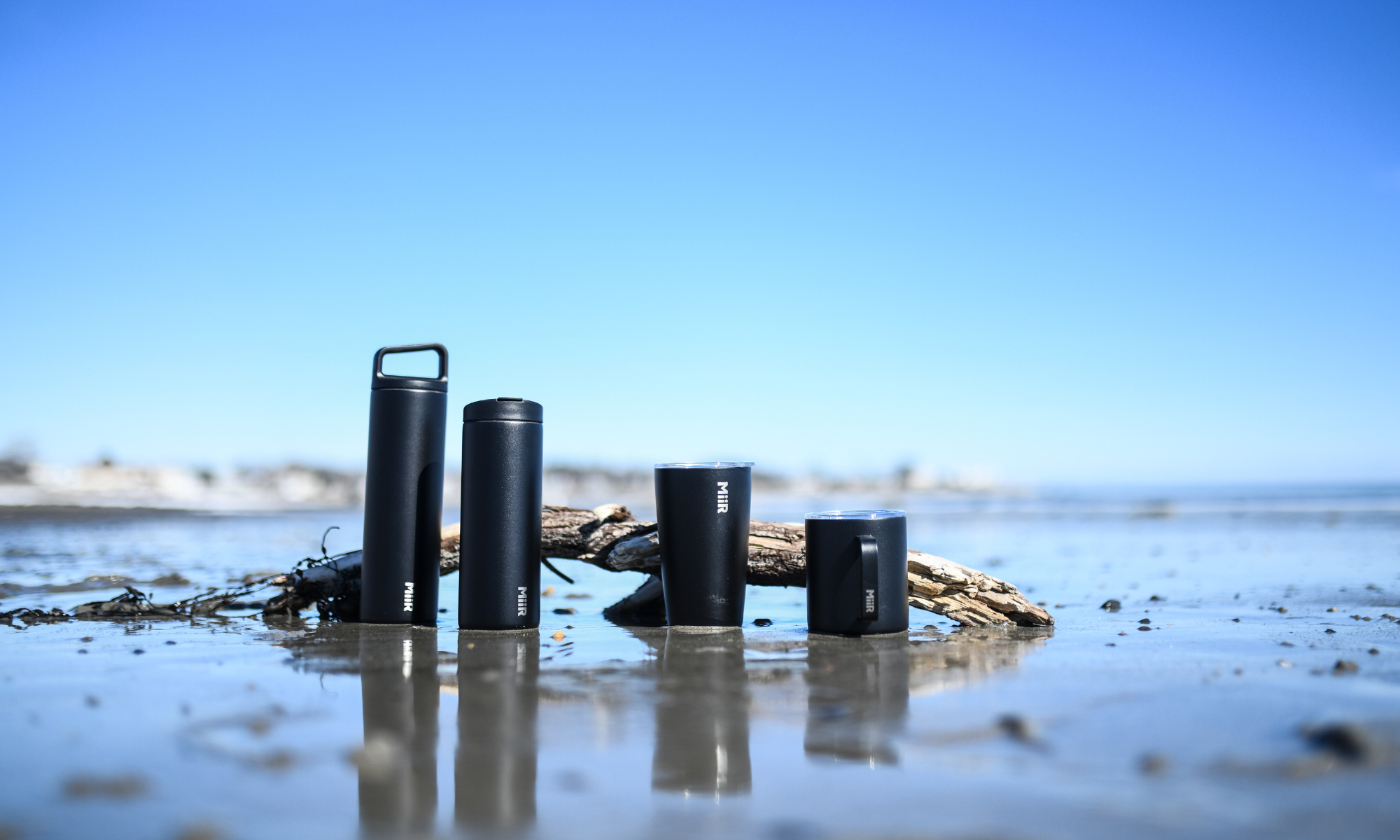
A field team will appreciate durable gear that travels well. An executive audience will respond better to a refined desk item that fits a polished office. Event attendees who commute will keep practical drinkware or charging tools. Each choice reflects the routine the item is entering, and that fit is what keeps it in use.
|
Audience situation |
Merchandise choice |
Likely effect |
|---|---|---|
|
New client onboarding |
A branded notebook set that supports first meetings |
It becomes part of the early working routine and stays visible. |
|
Conference follow up |
A travel tumbler sized for commuting |
It carries the event memory back into daily use. |
|
Employee recognition |
An everyday carry item with lasting utility |
It signals appreciation beyond the announcement day. |
|
Referral partner outreach |
A refined desk accessory for a professional setting |
It respects the relationship and avoids looking disposable. |
|
Executive meeting leave behind |
A minimal folio or premium writing tool |
It matches the setting and reflects care in presentation. |
When relevance is strong, the item earns a longer life. When relevance is weak, even an expensive product feels random. That is why the benefits of branded merchandise depend less on unit count and more on recipient fit. You are choosing for use, not for mere distribution.
Promotional merchandise earns ROI when it supports clear goals
Promotional merchandise ROI starts with the action you want the item to support. A gift cannot be judged only on how many pieces were handed out. It should connect to meetings booked, renewals closed, referrals opened, or account activity improved. Clear goals turn merchandise from a cost line into a measurable tool.
A renewal campaign gives you a clean example. You can send a thoughtful item to a defined client group, track follow-up meetings, and compare renewal timing against a similar group that received nothing. Event programs work the same way when you tie the item to post-event outreach.
“You are measuring movement in a relationship, not counting boxes shipped.”
Simple tracking works best. Use a unique landing page, a tailored follow-up sequence, or a specific outreach window tied to the delivery date. Keep the metric close to the business result you care about. That is how you answer why companies invest in promotional products with something stronger than a hunch.
Cheap giveaways often weaken the message customers remember
Low-quality merchandise can damage brand perception because the item becomes the message. A flimsy product suggests short-term thinking and weak standards. That is the opposite of what most brands want to communicate. Quality sets expectations before a sales conversation or service interaction does.
A tote with thin stitching, a pen that skips, or a charger that fails on first use will be remembered for the wrong reason. People rarely separate the object from the company name printed on it. If the item feels careless, the brand feels careless too. That is why cheap giveaways often erase the value you hoped to create.
Good merchandise does not have to be extravagant, but it does have to feel considered. Teams such as Swag Republic put more effort into fit, presentation, and delivery timing than into chasing the lowest unit price, and that discipline is what protects brand prestige. Branded merchandise works when you treat it as part of the customer experience. When you do, it stops being swag and starts acting like a relationship tool.